Food and sport: the end of the eating before or after sport debate
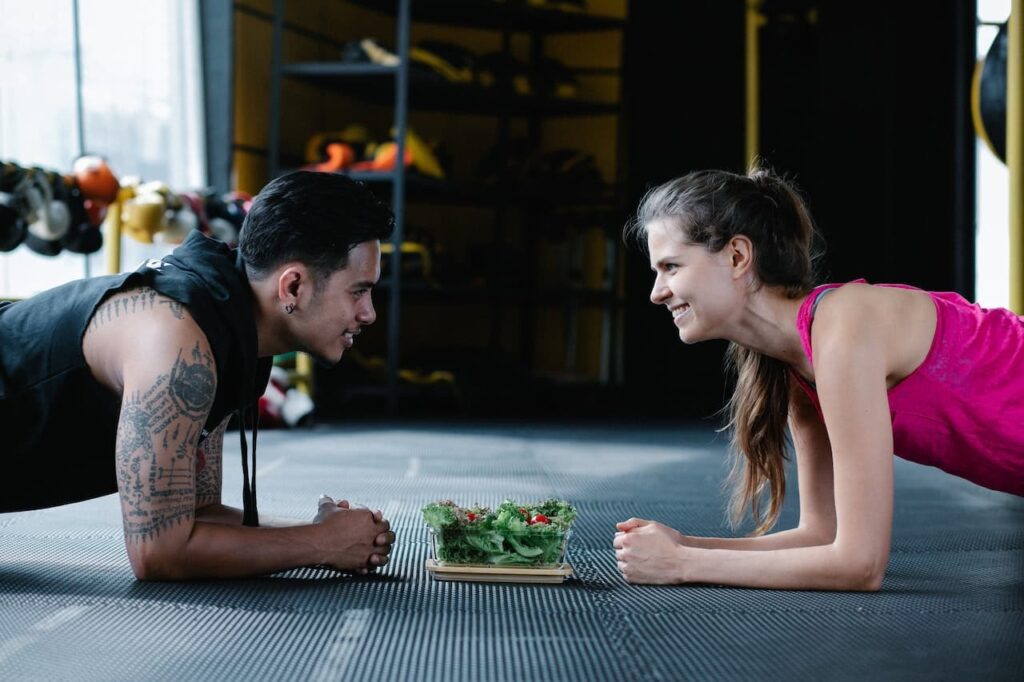
Diet and exercise, upon hearing these two words, in the sporting world one thinks of this incredible question “to eat before or after exercise?”. In reality, both options offer benefits. However, you need to know your personal objectives and your expectations regarding your performance. This is the basis of sports nutrition. Then follows the question of whether or not to have a balanced afternoon snack and the future of snacking.
Eat before sport to improve your performance
You must know that eat before sport can be useful to you if you are planning to make a high power session. Moreover, whether at high intensity or not, it is often advised to eat before any sporting activity because you are not immune to risk. One of the most frequent is hypoglycemia. When eating, you give your body the energy and most suitable conditions to fulfil your goal for the day, maintaining a good balance between meals, exertion and recovery. Additionally, it will help you sustain physical effort over a long period then improve your physical abilities as well as your performance, but the answer also depends on the type of sport practised and the level of the athlete.
If you are heading towards this method, eat 2 hours before your sport to let your body digest. Choose foods rich in protein, you will gain muscle. Also think about a balanced diet of your meal. Carbohydrates remain a power source useful before physical exertion. Preferably choose a source of medium or low glycaemic index carbohydrates to release’energy more gradually. Adapt the proportions of your plate and the quantity consumed according to the planned intensity. If not, your stomach will be busy digesting, which will prevent your body from giving you the energy essential for your workout.
Rest assured, you don't have to eat a full meal, a quick snack is enough. In this case, turn to fast carbohydrate foods like bananas, energy bars or protein cakes.
Eating after exercise for better recovery
Some prefer to eat after exercising. This is completely understandable since it allows you to recharge your batteries and of regain strength. This is a good solution for making your muscles can continue to be active after exercising by nourishing them. Indeed, your muscles continue to work 30 minutes after your physical activity. To restore your body, it is beneficial to take proteins during this lapse of time, notably via animal protein or other suitable sources. By doing this, you give your body to renew in nutrients, particularly in amino acids useful for recovery, in maintenance of muscle mass and overall health. Indeed, by training, you have lost some. Eat after exertion allows the body to restore, without confusing muscle recovery and weight gain.
Recovery
For good recovery, it is advisable to take only one snack. However, if you want to reward yourself with a complete meal, you will have to be patient and wait an hour before consuming your dish. This waiting time is useful in order to’avoid the risk of overconsumption of calories by giving your body time to recover from the practice, and then returning to a better one state of rest. During this phase,’hydration remains essential to support recovery, especially after a training intense, and it can include water, some energy drinks well chosen in the event of prolonged exertion, as well as an intake of mineral salts adapted.
Note that this solution is suggested for athletes who wish to or are used to training at high intensity to optimise their recovery, support the maintenance of muscle mass rather than an increase in body fat, and keep fit. Protein taken within 30 minutes of exercise aids recovery and contributes to the formation of new muscle cells; athletes' protein requirements generally vary from 1.2 to 2 g/kg/day. For endurance athletes, it is useful to combine carbohydrates and protein after exercise, with animal proteins being potentially beneficial in this context, and the egg remaining a recommended protein benchmark. Depending on the pace of the sessions, these intakes are then distributed throughout the day.
To find out the best foods to put on your plate, you can read our article Eating before or after sport: good practices to adopt.
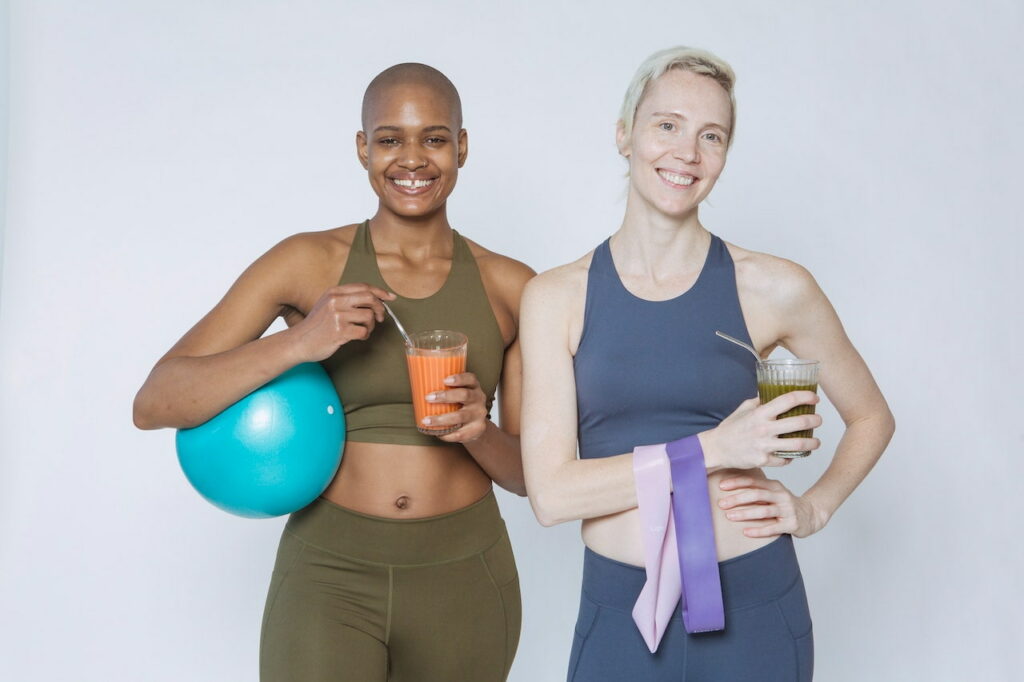
The importance of a healthy sports afternoon snack
It may seem obvious, but a healthy snack allows you to stay in shape. Hydration also remains a pillar of recovery, with a appropriate diet At daily : It is recommended to drink between 1.5 and 2 litres of water a day, with a guideline of around 0.4 to 0.8 litres per hour of exercise. This should be adjusted according to the heat, perspiration, the pace of the sessions and the duration of the training, as a loss of 2% of body weight can reduce performance by 20%. During sessions lasting more than an hour, energy drinks providing water and minerals may also be useful, depending on individual needs. In dance, as in any other sport, an afternoon snack is effective for counterbalance certain dietary imbalances and so that you can exercise in good conditions.
Reasons to have a healthy snack
The advantage of having an afternoon snack lies in the fact that you will no longer graze between meals while not spoiling your appetite for dinner. Furthermore, as it is a balanced snack, it fits into the daily diet of the athlete by providing appropriate macronutrients and micronutrients, with an amount to be adjusted according to activity, to meet nutritional needs of your body. The role of certain intakes, such as iron, calcium and vitamin D, also counts for bones, immunity and performance. The afternoon snack offers another advantage, that of to improve your performance at night. You will have the satisfaction of being tired no longer because of hunger, but because you have exerted physical effort.
When should you take it? In a time slot between 2 hours after your last meal and 2 hours before training.
On the health side, snack regulates your blood sugar And channels bad fat, which will allow you to losing weight or stay in shape. By tasting healthily, your sugar cravings decrease.
Foods to favour and to avoid for a balanced diet
Tasting is good, but what should you have as a snack and what should you avoid? Obviously, it does not replace a meal, but it should not be neglected! For that, you just need to mix with two different food groups in order to supplement the macronutrients and micronutrients useful for exertion, with at least one source of carbohydrates and, if possible, some wholegrains. Its role is also to adjust the energy intake according to the day's activity, with needs that can vary from 1,800 to 2,200 kcal per day. To help you, here are some foods you can have fun mixing together.
Foods to keep
Unthinkable to talk about healthy snacks without mentioning fruits, those who will give you vitamins !
To give you a boost before your dance session, you can count on the Kiwi, there guava where the grapefruit.
You can also turn to the dried fruit, they act like shields In you guaranteeing A good aging and one preserved health capital. Enough to fall under the spell of dates, THE raisins or even the Goji berries.
Because sport is also about proteins, THE oilseed are here to provide you with it in a manner vegetable. In this group we find almonds, of the Hazelnut and nut, a good one source of energy, of’fatty acids interesting and useful nutrients for physical exertion.
Afternoon tea is a bit like a second breakfast, you'll need calcium. Who performs this function? THE dairy products. You can treat yourself with milk, of white cheese, of soy milk, etc., not to mention certain micronutrients like iron, calcium and vitamin D, important for bones, muscles and immunity.
When we talk about milk, we also talk about cereals; it is advisable to provide a cereal product to your snack like cookies, of bread or simply cereals, preferably unrefined; organic and zero-waste shops are great for buying quality grains and seeds.
Finally, the last group that is suitable to taste is the nuts since they are rich in Omega 3 and in magnesium. Choose between the macadamia nuts, there pecan nuts where the pistachios.
You know all about the ideal groups for making a healthy snack: the best approach is to combine two complementary foods.
Prohibited products
Even so, that doesn't mean anything goes. Avoid, especially before exams:
Industrial treats since they are too sugary, too fatty and addictive
Sodas because they are too sweet
Spreads because they contain too many calories and are high in fat
If your mouth is watering, you can check out our article Healthy sports snack: explanations and recipes where we offer you balanced recipes for delectable snacks.
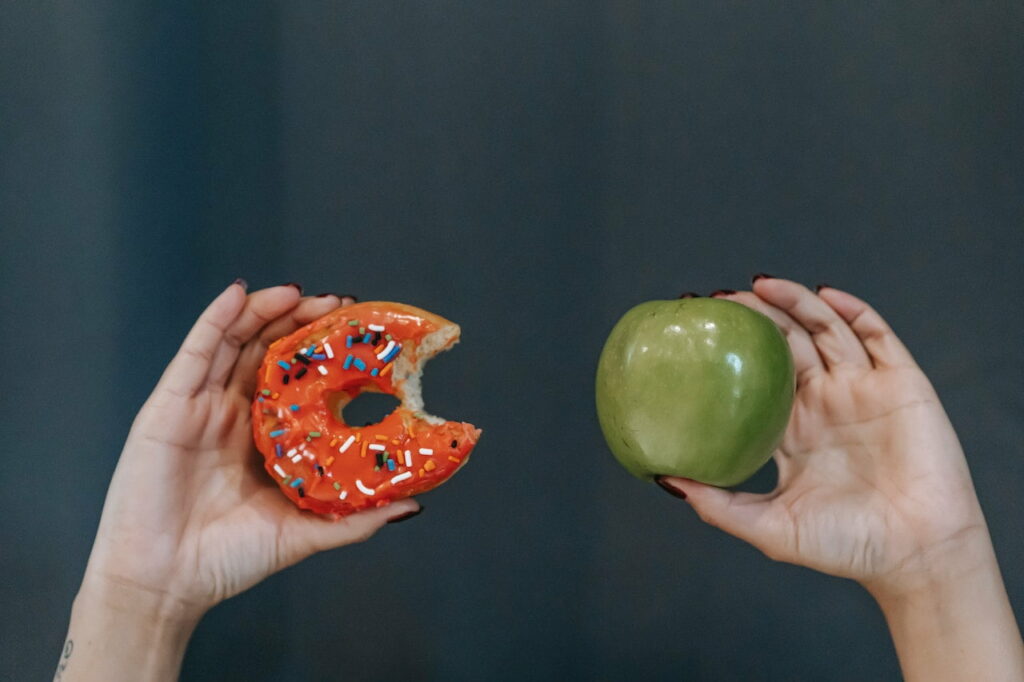
Snack, yes, but snack healthily
Is snacking positive for your health? Yes and no. Even if you're happy to fill your stomach with products you love, this habit can become harmful to your health.
The favors and disadvantages
Snacking is good, especially for the moral. Indeed, mentally, this act makes you enthusiastic and gives you a feeling of well-being. Among other things, it allows you to forget your negative emotions and can act as a positive emotion amplifier. But these feelings only work on short term.
The risks
As you would expect, snacking isn't all sunshine and roses. Very often, snacking consists of‘fatty and sugary foods. In this sense, Snacking provides neither the nutritional qualities nor the energy requirements that your body needs. Which translates into stored fat by your organization. So you will end up with a high energy intake at the end of the day. Snacking can cause overweight and other health issues such as diabetes, THE cholesterol And high blood pressure.
There are also others risks :
Of the digestion problems and therefore sleep problems and of skin.
An addiction to sugar caused by the “reward circuit” due to a jubilant state during snacking.
A dietary imbalance translated by deficiencies in vitamins, iron, etc.
Of the dental problems with the emergence of cavities.
Development of cardiovascular diseases like a stroke, of high blood pressure, A heart attack, etc.
A degraded image of oneself.
The privileges of snacking reasonably
Snacking reasonably involves snacks low in calories, sugar, salt and fatty acids but high in nutrients. You can go for dark chocolate; fresh fruit such as apple or orange; nuts; quark and dried fruit.
You will be more than delighted since you will get 3 benefits :
Better concentration Snacking gives you back your energy and reduces fatigue problems. Omega-3s make better demands on your capacity for concentration and brain function.
More fruits and vegetables
Regulate appetite
To find out more about what pushes us to snack and to know effectively delicious and balanced recipes, take a look at our article The best tips for healthy snacking.
In summary
Eat before or after sport?
As we have seen, nutrition and sport are a vast subject. Let's put an end to the “eating before or after exercise” debate. The truth lies somewhere in the middle. Indeed, you can do both. Each has its own specifics. Eating before sport limits the risk of hypoglycemia or to pass out for example because you will have given all the input your body needs to do your sport. Furthermore, when eating you increase your chances of performing over a long period of time. Be careful to respect the deadline 2 hours before your physical activity to eat.
AboutEating after exercise is beneficial for those who train intensely to improve their recovery as well as their muscles.. It's a safe bet for regain energy quickly while letting your muscles continue to work. By nourishing your body you allow your body of produce again nutrients, those lost during training. Eating after sport restores the body and puts it into a state of rest. The main objective is to obtain a good recovery through a snack or from a meal but to savor it count 1 hour's wait.
Snacks and snacks
Do not deny yourself a healthy afternoon snack. It allows you to avoid grazing between meals while keeping enough of an appetite for the main course that follows. A balanced afternoon snack provides the nutritional needs you require and enables you to perform better at night. Keep in mind that your snack is to be taken between 2 hours after your last meal and 2 hours before you go to exercise. You will see that the snack makes losing weight, regulates blood sugar And stores bad fat.
Regarding foods, favor these groups:
Fruits for the vitamins
Oilseeds for the vegetable proteins
Dried fruits for the antioxidants
THE dairy products for the calcium
Nuts for the Omega 3 and the magnesium
Cereals products
Industrial products
Avoid industrial products.
For snacking fans, be aware that it is possible to snack healthily! Overall, the only positive point about snacking is that it calms the mind. However, it provides no nutritional value, which creates fat. It can present a serious risks for health such as:
Overweight
Cardiovascular illnesses
Digestion problems
Tooth problems
Poor self-image
Sugar addiction
Dietary imbalance
But it's not all bad news, you'll have a better ability to concentrate, you will eat more fruits and vegetables and your appetite will be stable.
Try out dancing with DECIBEL®
Want to do a little sport before or after eating? Join the team DECIBEL®!
DECIBEL® it's dancing in abundance, an insatiable urge to move and above all it is Dance workout Inclusive and non-judgmental.
Relax for 45 minute sessions on the choreographies And playlists custom made.
Shape your body, strengthen your glutes and thighs with the help of our coaches welcoming And has listening of yours needs And expectations.
After that you will have well deserved your meal!