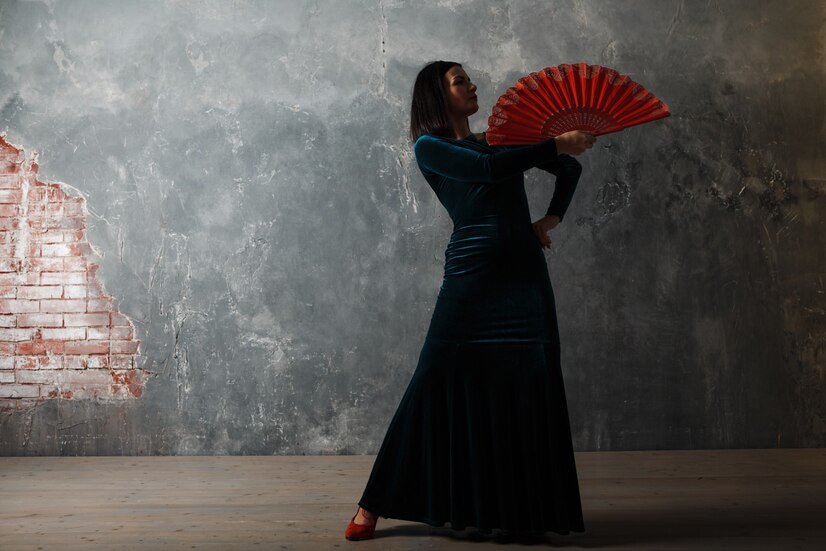
Introduction to Fan Dancing
This article will guide you step-by-step, from handling the fan to advanced choreography. You will also discover how to integrate this dance into your daily life and enjoy its physical and mental benefits.
Origins and history of the fan dance
Fan dancing has its roots in traditional Chinese culture. Practised for centuries, it embodies elegance and grace, particularly through the use of a fan which, over time, has become a true artistic symbol. This dance has evolved through the dynasties, enriching itself with diverse movements and meanings. Once reserved for the elite, it has now become popular the world over, while retaining its origins deeply embedded in Chinese tradition.
Cultural and symbolic significance
The fan, in this dance, represents much more than a simple accessory. It symbolises femininity, elegance and grace, qualities highly valued in many Asian cultures. The fan dance is often performed during ceremonies and festivals, celebrating beauty and harmony. Through each movement, the fan seems to breathe life into the dance, inviting the spectator to immerse themselves in a poetic and refined world.
The Basics of Fan Dancing
Selection and manipulation of the fan
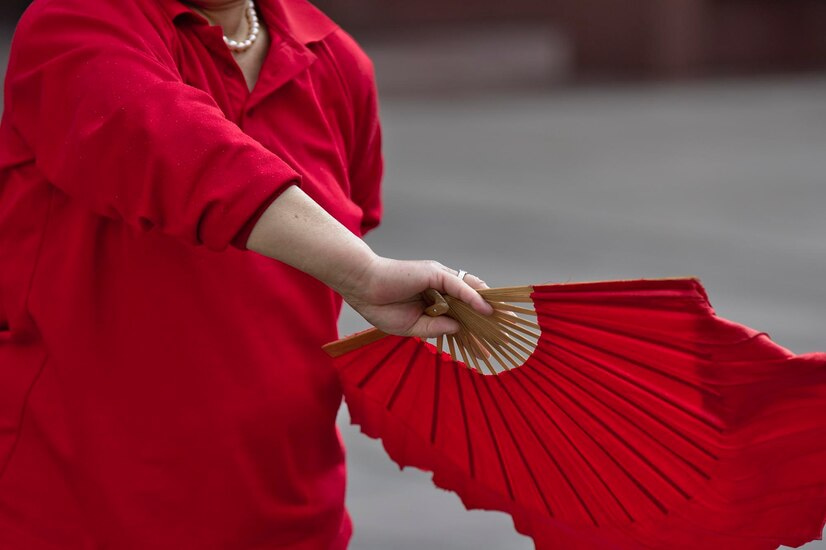
Choosing the right fan is crucial for getting started in this dance. Several types of fans are used: folding fans, rigid fans, those made of silk or bamboo. Folding fans are often favoured for their ease of opening and closing, while rigid ones bring a more sculptural dimension to movements. To start, it is recommended to choose a light and easy-to-handle fan, suitable for the size of your hands.
Manipulating a fan requires precision. The basic techniques consistent knowledge of opening and closing the fan with fluidity. To get started, practice doing it smoothly, without jerking, so that each movement becomes second nature. A poorly handled fan can quickly become a hindrance, so take the time to fully understand how it works before incorporating complex movements.
Fundamental postures
As in any dance, posture is essential. The position of the feet It must be stable and anchored to the ground to allow fluid upper body movements. Adopt a slight bend in the knees to maintain balance. Arms and hands play a central role: the movements of the fan must be in perfect harmony with the hand gestures. Ensure your arms are always slightly bent to maintain flexibility in your movements.
The facial expression is just as important. The gaze and the expression must reflect the grace and elegance of this dance. Whether you're focusing on a single movement or executing a fluid sequence, never forget that the face also tells a story.
Steps for learning fan dancing
Warm-up and preparation
Before we start the fan dance, a good warm-up It is essential to avoid injuries and loosen your joints. Focus on stretching exercises, particularly for the shoulders, wrists and fingers, which will be heavily used. This will improve flexibility and make your movements smoother.
Strengthening the wrists and fingers is also essential. Specific exercises Such as wrist rotations or finger stretches will help you manipulate the fan better. Don't forget to incorporate deep breathing practices to coordinate your breath with your movements, thus promoting better concentration.
Basic movements with the fan
Once well prepared, you can move on to basic movements. The first is the graceful deployment from the fan, where the fan is opened in a single fluid motion. It is essential to practice this movement several times until it becomes natural.
Next, the Rhythmic beat consists of playing with the opening and closing of the fan in time with the music. This movement adds a sonic dimension to the dance, making the whole performance more captivating. Finally, the Smooth rotation The fan's sweep around your hand is another fundamental movement that gives the impression the fan is dancing with you. Take your time to master these three movements before moving on to more complex sequences.
Progression of advanced movements
Combinations of steps and gestures
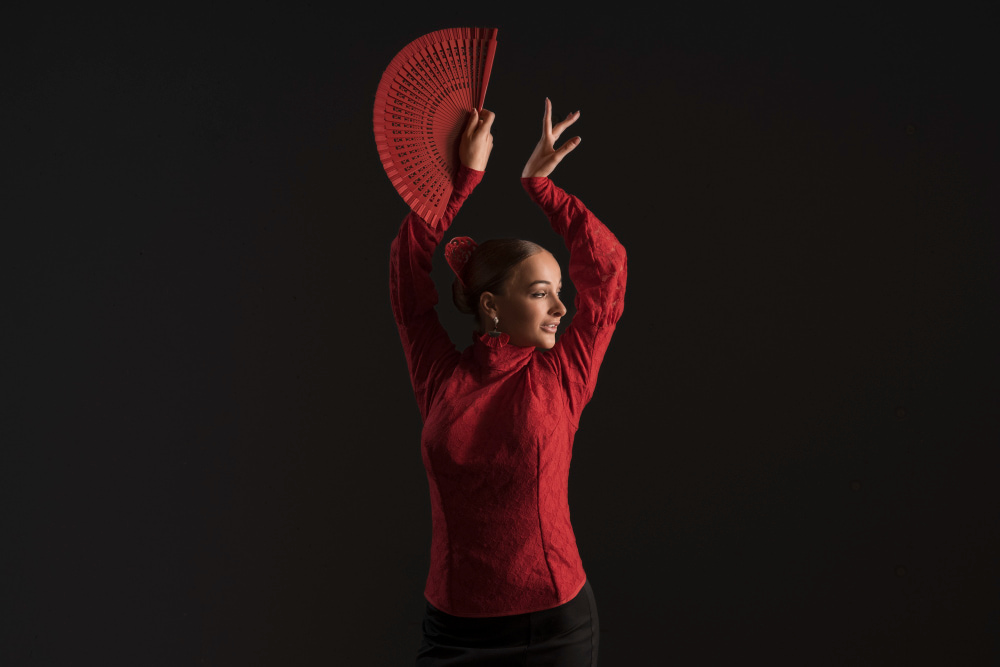
Once the basics have been mastered, it's time to progress towards Step combinations and more complex movements. The aim is to integrate fan movements with fluid steps. For example, by combining a fan deployment with a side-step or a step back, you bring dynamism to your dance. The key is to maintain coordination between the body and the fan, so that each movement is harmonious and natural.
One of the famous combinations is the “Phoenix dance”, characterised by large, circular movements of the fan, symbolising elegance and rebirth. This sequence combines light footwork and fan movements that gently swirl around the body, creating an impression of lightness and grace. Practise this dance to explore the beauty of traditional movements while developing your own style.
Spinning and throwing techniques
THE somersaults And throws are more advanced techniques that require good control of the fan. The safe method for twirling the fan involves rotating the prop around the wrist, while maintaining a firm grip to avoid errors. This movement, although delicate, adds a spectacular dimension to the performance.
THE to throw a fan, meanwhile, consists of throwing the fan into the air and catching it smoothly. To practise this technique, start with simple, short movements. Always keep in mind the Precautions To avoid injury: practise in a clear space and never force a throw if you are not ready to catch it.
Creation of a personal choreography
Structure of a fan dance performance
Creating your own fan dance choreography requires following a well-defined structure to captivate the audience. A good performance This is generally divided into three parts: the introduction, the development, and the conclusion. The introduction should be slow and elegant, marking the beginning of the story you wish to tell. The development includes more complex movements and dynamic sequences, where you can demonstrate your mastery of the fan and your footwork. Finally, the conclusion should be strong and memorable, leaving a lasting impression.
When creating a choreography, don't hesitate to incorporate elements traditional and modern. For example, mix ancient techniques with more contemporary movements to give your performance a unique flair. This will allow you to capture the essence of the dance while adding your own style.
Improvisation and personal expression
One of the beauties of fan dancing is that it leaves a lot of room for’improvisation. Once you've got the basics down, you can let your creativity run wild. Adapt your moves to the music you choose, play with the rhythms, and don't be afraid to try new combinations of gestures. This will make your dancing more lively and authentic.
It is also important to express your emotions through gestures and the fan movement. Every movement must tell a story. Whether you wish to convey joy, serenity, or even melancholy, the fan is your tool for conveying emotions. This will allow your performance to touch the hearts of your audience.
Accessories and costumes
Traditional outfits for fan dancing
THE traditional outfits play a key role in the fan dance, adding a visual and cultural dimension to the performance. Generally, dancers wear flowing dresses or long tunics, which accentuate the grace of their movements. These outfits are often made from silk or lightweight cotton, allowing for freedom of movement while adding elegance.
THE Symbolism of colours is also important. Red, for example, represents joy and celebration, while white can symbolise purity or renewal. Motifs, such as flowers or birds, add visual elements that marry well with the fan's movements, enhancing the artistic aspect of the dance.
Adapting costumes for modern practice
For training, more comfortable clothing are often favoured. Flowing trousers and a light top allow for practice without being hindered by bulky costumes. However, it is important to choose outfits that respect the spirit of the dance while facilitating movement.
During contemporary performances, some female dancers adapt their costumes by blending tradition and modernity. You could, for example, opt for more modern fabrics like jersey or spandex, while keeping cuts and patterns inspired by tradition. This allows for the creation of a look that combines comfort and aesthetics, without compromising the beauty of the dance.
Finally, don't hesitate to customise your suit by adding touches that reflect your personal style. Whether it's embroidery, accessories such as bracelets or headdresses, these small details can bring a unique dimension to your performance.
Practising and perfecting fan dancing
Establishing a workout routine
To progress in fan dancing, it is essential to implement a regular training routine. Ideally, you should practise several times a week, focusing on short but frequent sessions. A duration of 30 to 45 minutes per session is enough to work on your technique without risking fatigue.
Il est important de trouver un endroit sûr pour se cacher. balance between technique, endurance and creativity. Begin with warm-ups to prepare your joints, then work on basic movements and more complex sequences. Finish each session with a few minutes of free creation to explore new moves. This will allow you to develop your style while improving your technical skills.
Patience is also key. Mastering the fan and movements takes time, so be kind to yourself and progress at your own pace.
Resources for continuing learning
Today, there are many Resources to deepen your learning of fan dancing. Online courses and tutorial videos are a great way to learn new techniques at your own pace. Look for fan dance masters who offer courses or workshops. These events allow you to learn directly from professionals and perfect your movements.
THE specialist books are also a valuable resource. They offer detailed explanations on the history, culture, and techniques of fan dancing. This can enrich your understanding of this art form and inspire your own practice.
Finally, don't forget to participate in In-person workshops when possible. Practising in a group with experienced dancers will offer you valuable feedback and the opportunity to refine your style.
Benefits of practicing fan dancing
Physical advantages
La pratique régulière de la danse de l'éventail offre de nombreux avantages Physical benefits. Firstly, it considerably improves the coordination and the flexibility. Indeed, the precise and fluid movements of the fan engage the entire body, particularly the arms and wrists, thereby strengthening the muscles in these areas.
In addition to this, fan dancing allows work on the muscle strengthening arms, shoulders and torso. The repetition of movements, combined with graceful motions, gently tones the muscles. Furthermore, this dance is also beneficial for the cardiovascular system. The pace of the movements, even when slow, works the heart and promotes good physical endurance. This makes fan dancing a complete activity for maintaining a fit and flexible body.
Mental and emotional benefits
benefits beyond the physical positive effects on the mind. It is an excellent way to reduce stress. The harmonious movements, combined with deep breathing and the required concentration, allow one to reach a state of relaxation akin to moving meditation.
This practice also promotes the’improving concentration, because every movement must be precise and in harmony with the fan. This helps to develop better self-control and to strengthen confidence in one's abilities. Finally, the fan dance is a form of’artistic expression which encourages creativity. It allows one to express their emotions through movement, thus offering a unique and personal way to express oneself.
Integrating fan dancing into modern life
Opportunities to practice and perform
Today, fan dancing is no longer limited to ancient traditions. It finds its place in many Modern occasions. You can practise it at cultural events and festivals, where it allows for the celebration of rich traditions while also bringing a touch of modernity.
THE Marriages and family celebrations are also perfect moments to incorporate multiple dances, including this one, symbolising harmony and beauty. In some cases, it can be used for outdoor performances, such as in parks or public spaces, offering the audience a unique visual experience. It is even possible to organise impromptu shows at private events to surprise guests with an elegant and memorable performance.
Community and sharing around fan dancing
Practising fan dancing isn't always done alone. Increasingly, practice and association groups form around this discipline, allowing enthusiasts to gather, exchange techniques, and share their love for this art. These communities are often active on social media and online forums, offering discussion spaces, learning videos, and constructive feedback.
The fan dance also becomes a tool for collective creation, notably through events such as the flash mobs, where several dancers gather to offer a surprise performance in a public place. This helps to democratise this art form and make it more accessible to a diverse audience, while also fostering sharing and interaction between amateurs and professionals.
Conclusion
Fan dancing is a traditional art form that combines grace and fluidity. Whether you're a beginner or experienced, learning the basic techniques and movements will allow you to master this elegant accessory. It also offers physical and mental benefits.
With regular practice, you can progress to more advanced moves and create your own choreography. This dance allows for unique artistic expression and fits perfectly into modern life.
Dance with DECIBEL
If you fancy combining dance and cardio, DECIBEL® is perfect for you! Join our 45-minute sessions that blend dance and fitness to boost your stamina and sculpt your body.
Get your groove on with dynamic choreography in a friendly atmosphere. Our motivating coaches will help you target your abs, thighs, and glutes, all to upbeat music and relaxing lights.
At DECIBEL®, effort goes hand in hand with pleasure! Book your spot in our Beaubourg studio now!